Bingsu 101: Why Korea’s Shaved Ice is the Ultimate Summer Luxury
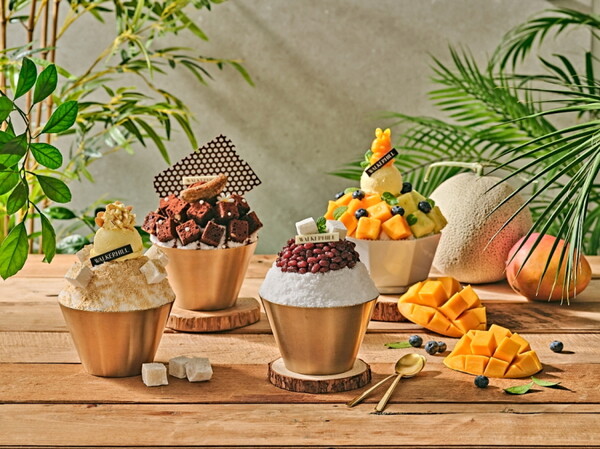
If you find yourself walking the streets of Seoul in August, you’ll see everyone doing the same thing: fanning themselves and looking for the nearest “Bingsu” sign. In Korea, we don’t just eat ice cream to cool down; we have a full-blown obsession with Bingsu (빙수)—the legendary Korean shaved ice that is more like a fluffy cloud of snow than a dessert.
If you’ve never tried it, you might be thinking, “It’s just ice with syrup, right?” Oh, honey, no! Aigoo, you are in for a treat. From the traditional red bean roots to the ultra-luxury $100 mango bowls, let kmama take you on a tour of Korea’s favorite summer “survival” food.
Bingsu 101: Why Korea’s Shaved Ice is the Ultimate Summer Luxury
The OG: Patbingsu (팥빙수)
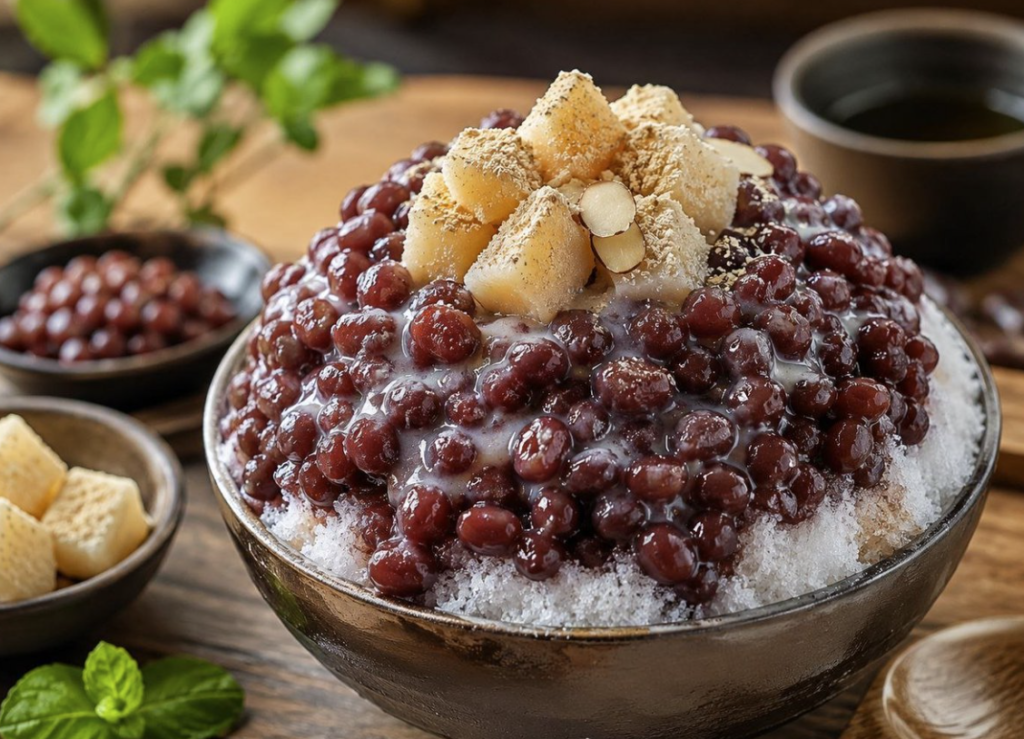
Before there were fancy flavors, there was Patbingsu. The “Pat” means red bean. Now, I know what some of my global children are thinking: “Beans in a dessert? Are you sure, kmama?”
Trust me, jinjja! These aren’t the beans you put in a burrito. These are slow-cooked with sugar until they are sweet, earthy, and creamy. A classic Patbingsu starts with a base of shaved milk ice (which tastes like frozen whipped cream), topped with sweet red beans, chewy Injeolmi (rice cakes), and a dusting of nutty roasted soybean powder. It’s the taste of a Korean childhood!
The “Bingsu War” of 2026: Hotel Mango vs. The Local Gem
In 2026, the Bingsu scene in Korea has split into two very different worlds.
- The Luxury “Shine” Mango Bingsu:
If you visit the high-end hotels in Seoul like The Shilla or Signiel, you’ll see people lining up for hours to pay upwards of 150,000 KRW (about $110 USD) for a single bowl. Why? Because they use the highest grade “Apple Mangoes” from Jeju Island. It’s a status symbol, it’s incredibly Instagrammable, and yes, it tastes like heaven. - The Creative Neighborhood Cafe:
On the other side, local cafes are getting wild! We now have everything from Sweet Corn Bingsu (topped with crunchy corn and pepper), Tiramisu Bingsu, and even Earl Grey Milk Tea Bingsu. In 2026, some cafes are even using AI to suggest toppings based on your “sugar craving level” for the day. Omo, the future is delicious!
The Great Debate: To Mix or Not To Mix?
This is the “Pineapple on Pizza” debate of Korea. When the big bowl of Bingsu arrives at your table, you have two choices:
- The Mixers: They stir everything together until it becomes a sweet, slushy soup.
- The Diggers: They take a careful spoonful of ice and topping together, keeping the layers intact.
kmama’s advice? Digging keeps the ice fluffy for longer, but mixing is better for that perfect ratio of bean-to-ice in every bite. Just don’t fight over it with your friends!
Why It’s More Than a Dessert
In Korea, Bingsu is rarely eaten alone. The bowls are huge—often the size of a small watermelon! It’s designed for sharing. It’s a “social” dessert. You sit with your friends or family, armed with multiple spoons, and talk for hours while the ice slowly melts. It’s about the “Jeong” (connection) we feel while sharing a meal.
kmama’s Top 3 Bingsu Recommendations:
- Sulbing (설빙): This is the most famous chain. Try the Injeolmi Sulbing. It’s affordable, consistent, and everywhere!
- Maison de la Categorie (Cheongdam): If you want to feel like a K-drama lead, come here for their sophisticated, artistic fruit bingsu.
- Traditional Tea Houses in Insadong: For a real “old school” vibe, get a Patbingsu served in a heavy brass bowl. It stays cold until the very last bite!
KoreanBingsu #Patbingsu #SeoulDesserts #MangoBingsu #KoreanFoodGuide #SummerInKorea #KoreanShavedIce #Sulbing #KoreanCafeCulture #SeoulFoodie2026