The Day Korea Shined Again: Understanding Gwangbokjeol (광복절) 2026
Hello, my lovely children! It’s your kmama here!
Today is a very special day in Korea—August 15th. If you’ve been scrolling through social media today, you might have noticed your favorite K-pop idols, actors, and Korean friends posting pictures of the Korean flag (Taegeukgi). You might be wondering, “Aigoo, kmama, what is everyone celebrating?”
Well, grab a cup of tea and sit close, because today we are talking about the heart and soul of Korea: Gwangbokjeol (광복절), our National Liberation Day. It’s the day Korea found its light again, and as your Korean mom, I want to make sure you know the beautiful story behind it.
The Day Korea Shined Again: Understanding Gwangbokjeol (광복절) 2026
What is Gwangbokjeol (광복절)?
The word Gwangbokjeol (광복절) literally translates to “The Festival of the Restoration of Light.”
- Gwang (광) means light.
- Bok (복) means restoration or return.
- Jeol (절) means a commemorative festival or holiday.
On August 15, 1945, Korea was finally liberated from 35 years of Japanese colonial rule. Imagine, my dear, living in a world where you couldn’t speak your own language or even use your own name. That was the reality for my grandparents’ generation. So when the “light” finally returned, the joy was so big that the whole peninsula shook with cheers of “Manse!” (Long live Korea!).
Why 2026 Feels Extra Special
In 2026, we are not just looking back at history; we are celebrating how far we’ve come. From a war-torn land to the global cultural powerhouse (thanks to you all loving K-culture!), Gwangbokjeol (광복절) is a day of immense pride. It’s a day when we honor the brave activists who fought for our independence and the resilient spirit that built the Korea you see today.
How We Celebrate Gwangbokjeol (광복절) in Korea
1. The Sea of Taegeukgi (태극기)
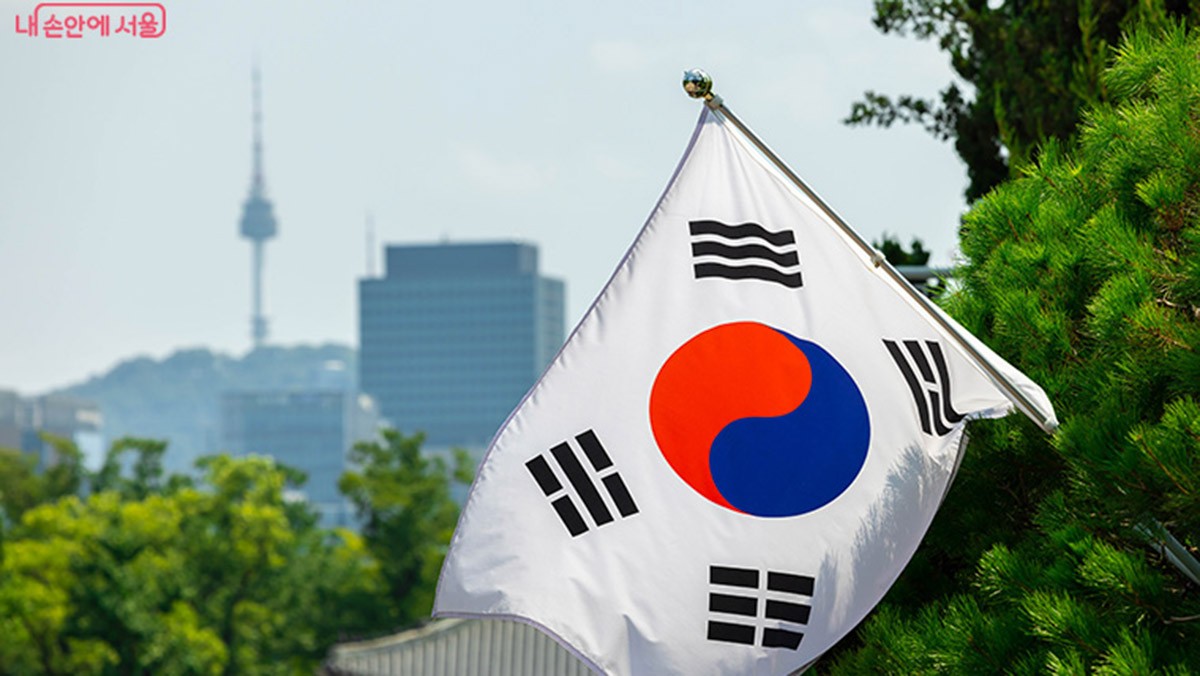
If you are in Seoul today, you’ll see the Korean flag, the Taegeukgi, everywhere! On street lamps, apartment balconies, and even on the screens of public buses. It’s a beautiful sight that gives me goosebumps every year. It’s not just about patriotism; it’s about remembering that our freedom was earned with great sacrifice.
2. K-Pop and Celebrity Tributes
One of the reasons you probably know about this day is through your favorite stars. Every year, idols from BTS, BLACKPINK, and newer 5th-generation groups share heartfelt messages. Some even visit historical sites or participate in commemorative songs. It’s their way of saying, “We haven’t forgotten our roots.” Jinjja, it’s so touching to see the younger generation leading the way!
3. Historical Pilgrimages
Many Koreans spend this day visiting places like the Independence Hall of Korea in Cheonan or the Seodaemun Prison History Hall in Seoul. If you ever visit Korea, kmama highly recommends Seodaemun Prison. It’s a heavy place, but it helps you understand the “Han” (deep sorrow) and the “Heung” (joy) that make up the Korean DNA.
A Mom’s Perspective: Why You Should Care
You might think, “kmama, I’m not Korean, why does this matter to me?”
My dear, K-pop, K-dramas, and the food you love—none of it would exist today without the events of August 15. The freedom to create, to sing, and to share our culture with the world started on this day. When you celebrate Gwangbokjeol (광복절) with us, you are celebrating the survival of the culture you love. And that makes you part of our global family!
kmama’s Quick Facts for Your “K-Knowledge”
- Double Celebration: August 15 is also the day the Republic of Korea government was officially established in 1948.
- The Song: You might hear a song called “Gwangbokjeol Norae.” It’s a powerful anthem that many people sing with tears in their eyes.
- The Food: There isn’t a specific “Gwangbokjeol food,” but many families gather for a warm meal like Bulgogi or Japchae to celebrate the holiday together.