K-Vegan Revolution: Why Temple Food is the New Fine Dining
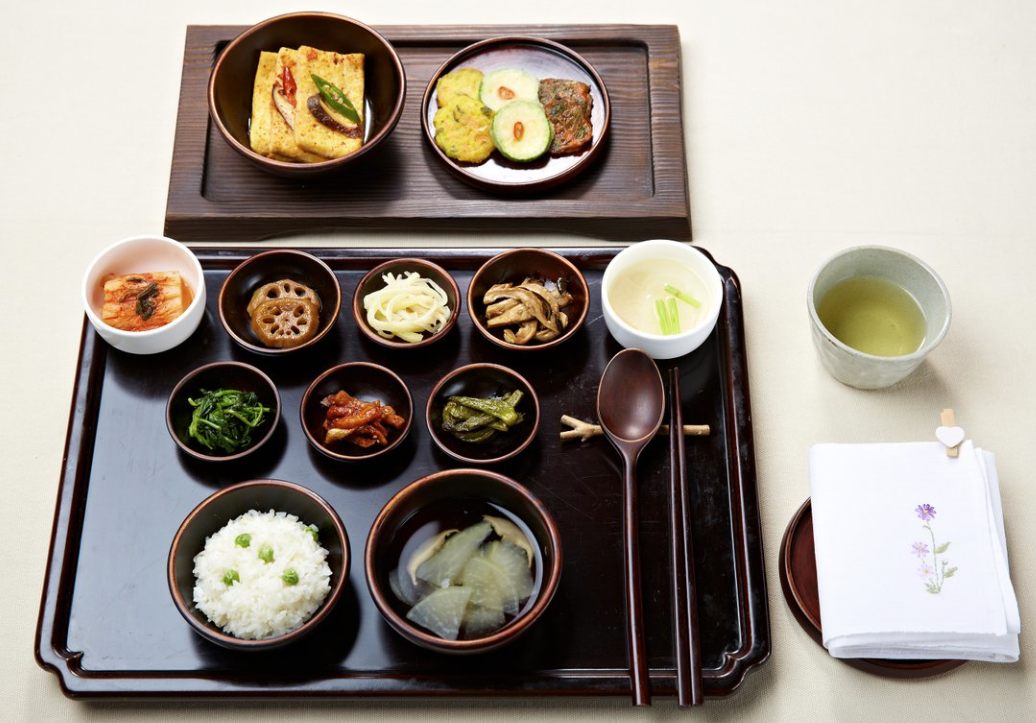
You know, I was looking at some old photos the other day, and I realized how much the way we eat has changed. Aigoo, back in my day, “vegan” wasn’t even a word we used! We just called it dinner!
But it’s 2026 now, and everyone is talking about the “K-Vegan” Revolution. And the superstar of this movement? It’s not some fancy new lab-grown meat. It’s Korean Temple Food (Sachal Eumsik). What used to be a humble meal for monks in the quiet mountains has officially become the hottest ticket in the global fine-dining scene.
If you think vegan food is just salads and tofu, sit down, honey. kmama is about to show you how a thousand-year-old tradition became the height of luxury.
K-Vegan Revolution: Why Temple Food is the New Fine Dining
1. More Than Just “No Meat”: The Philosophy of Healing
In Korea, we say “Yaksik Dongwon,” which means food and medicine grow from the same root. Temple food is the ultimate version of this. It’s not just about what you don’t eat; it’s about the energy of the ingredients.
Buddhist monks avoid meat, but they also avoid the “Osinchae”—five pungent vegetables: garlic, green onions, leeks, wild chives, and asafoetida. You might think, “Omo, kmama! How can Korean food taste good without garlic?” But that’s the magic! Without those strong flavors, you actually start to taste the real soul of the vegetables—the sweetness of a mountain radish, the earthy depth of a shiitake mushroom, and the crispness of lotus root.
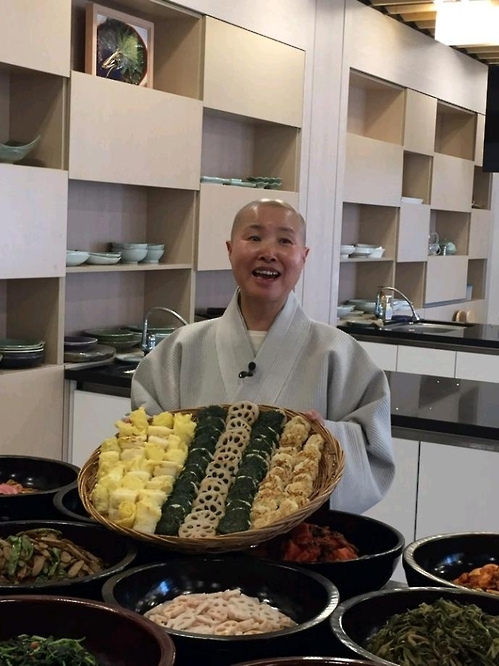
2. From the Mountains to Michelin Stars
It started a few years ago when world-famous chefs (and even Netflix!) discovered the incredible wisdom of Monk chefs like Jeong Kwan. Fast forward to 2026, and “Temple Fine Dining” is the most sought-after reservation in Seoul.
Restaurants like Balwoo Gongyang or the high-end pop-ups in Gangnam aren’t just serving food; they are serving an experience. The dishes look like modern art—delicate, colorful, and served in beautiful ceramic bowls. People are flying from all over the world just to taste a single piece of 10-year-fermented kimchi or a perfectly glazed mushroom. It’s the “New Luxury” because it takes something we can’t buy: Time.
3. The Secret Weapon: Fermentation (Jang)
The reason K-Vegan food tastes so “meaty” and satisfying without any meat is our traditional sauces. Gochujang (chili paste), Doenjang (soybean paste), and Ganjang (soy sauce) are the backbone of temple food.
In temple cooking, these sauces are often fermented for years—sometimes decades! This creates a deep “umami” flavor that makes your taste buds dance. Jinjja, one drop of 20-year-old soy sauce can have more flavor than a whole steak! It’s healthy for your gut and even better for your soul.
4. Sustainability: The Ultimate “Cool”
In 2026, being “cool” means being kind to the planet. Temple food is the original zero-waste, sustainable diet. It uses seasonal ingredients grown right in the temple garden or foraged from the forest. It respects the cycle of nature. When you eat temple food, you aren’t just filling your stomach; you’re showing respect to the Earth. That’s why the younger generation—the Gen Z and Gen Alpha kids—are so obsessed with it!
kmama’s Tips for Your First Temple Food Experience
- Don’t Rush: This isn’t fast food. Chew slowly and try to identify the subtle flavors.
- Clear Your Mind: Many temple food restaurants encourage a moment of silence or gratitude before eating. Try it! It makes the food taste better.
- Try a Temple Stay: If you want the real deal, book a weekend at a temple like Jingwansa in Seoul. You get to help pick the vegetables and eat with the monks. It’s a total “soul detox.”
- Embrace the “Bland”: At first, it might feel less salty than what you’re used to. But after a few bites, your palate will wake up, and you’ll realize how noisy “regular” food is.